Brain Injury
At Advantage Solicitors we have helped many clients recover millions in damages sustained in these types of injuries through years of experience od representing people who’ve experienced brain injuries because of someone else’s negligence.
- 0208 807 1676
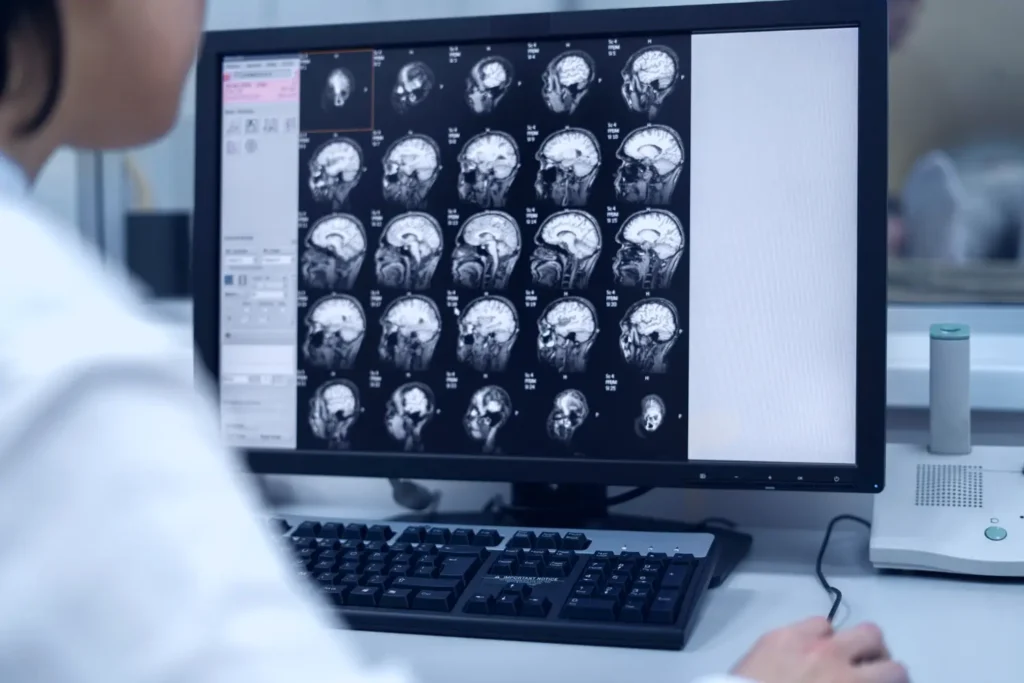
Brain Injuries sustained in Accidents
Brain injuries can really change lives, and they often come from accidents like car crashes, falls, or even work-related incidents. These injuries can impact how someone thinks, feels, and moves. At Advantage Solicitors we have helped many clients recover millions in damages sustained in these types of injuries through years of experience od representing people who’ve experienced brain injuries because of someone else’s negligence.
Over the many years of experiences we have identified the best experts that produce court compliant reports in support of injuries injured clients have sustained and we have secured millions of pounds in compensation for our clients.
Types of Brain Injuries
Brain injuries can vary in severity and impact. They are generally classified as either traumatic brain injuries (TBI) or acquired brain injuries (ABI):
Concussion
Concussion is the most common type of brain injury, such injuries occure frequently in the UK. These injuries can arrange from mild to severe traumatic brain injuries injuries and may lead to serious health issues and limitations. Concussions are generally caused by a blow to the head. They can bring on symptoms such as vomiting, headache, ringing ears, nausea and blurred vision. Concussions are commonly caused by road traffic collisions involve cyclists, motor cyclist, pedestrian, etc and even collision where the party hits their head on a fixute inside a car.
Contusion
Contusion – A bruise on the brain caused by a direct hit to the head. When the brain is jolted or hit, the blood vessels in the brain tissues can rupture, leading to bleeding and swelling on the brain. In these types of scenarios, the damage can interfere with brain function, leading to symptoms such as headaches, seizures and/or loss of consciousness.
Diffuse Axonal Injury (DAI)
- Diffuse Axonal Injury (DAI) – Caused by violent shaking or rotation of the brain, common in high-speed crashes. During such accidents, the brain can be forcefully thrown back and forth so quickly that the structure connecting the brain to the spinal cord tears. Damaging the brain’s connection to the rest of the body.
- This is a diffuse axonal brain injury. It’s a severe form of concussion that can lead to seizures, migraines, memory loss, and collapse.
- In severe cases, diffuse axonal injuries can cause coma or even death. However, even relatively minor injuries of this type require extensive therapy and rehabilitation to recover function. Such injuries can lead to long-term cognitive impairment, coma, or death.
- Penetrating Brain Injury – When an object, such as metal or glass, pierces the skull, leading to severe damage.
Acquired Brain Injury (ABI)
ABIs occur due to internal factors, such as lack of oxygen or medical conditions. They can be triggered by accidents leading to conditions like:
- Hypoxic/Anoxic Brain Injury – Caused by oxygen deprivation, such as in drowning incidents or medical negligence.
- Haemorrhages and Stroke – Internal bleeding in the brain due to a severe head injury
Mild Traumatic Brain Injury
A mild TBI generally does not cause a loss of consciousness. If a person loses consciousness, it is for less than 30 minutes.
Symptoms of a mild TBI include:
- Vomiting or nausea
- Vision problems
- Trouble thinking clearly
- Headaches
- Dizziness
- Balance problems
- Problems sleeping or sleeping more than usual
- Sensitive to light or sound
- Problems with attention and concentration
- Anxiety, irritability, and feeling more emotional
- Fatigue
- Confusion
- Ringing in the ears
- Bad taste in the mouth
Memory loss lasts less than 24 hours, and the GCS score is between 13 to 15. A mild TBI usually heals within a few weeks/months with time and rest.
Moderate Traumatic Brain Injury
A moderate TBI can result in unconsciousness for more than 30 minutes. Some individuals could be unconscious for up to 24 hours.
Symptoms of a moderate TBI include the symptoms of a mild TBI. Additional symptoms that indicate the brain injury is more severe than a mild case include:
- Headaches that get worse or won’t go away
- Seizures or convulsions
- Numbness or weakness in the legs and arms
- Repeated bouts of nausea or vomiting
- Unable to wake up from sleep
- Slurred speech
- Larger than normal pupils in one or both eyes
- Increased restlessness, confusion, or agitation
- Loss of coordination
Memory loss lasts between 24 hours to seven days. The GSC score is between 9 to 12. Prompt medical attention is required with a mild TBI.
Severe Traumatic Brain Injury
A severe TBI can result in a loss of consciousness for more than 24 hours. The GSC score is eight or lower. Memory loss lasts for more than seven days.
The symptoms of a severe TBI can be the same as a mild TBI and moderate TBI. However, the symptoms may be more severe, and the person could have several symptoms. Immediate medical attention is required for a severe TBI.
Effects of Brain Injuries
The impact of a brain injury varies based on severity and location. Some common consequences include:
Cognitive Impairments
- Memory loss
- Difficulty concentrating
- Reduced problem-solving skills
- Speech and language difficulties
Physical Symptoms
- Headaches and fatigue
- Loss of balance and coordination
- Paralysis or muscle weakness
- Seizures
Emotional and Behavioural Changes
- Personality changes
- Depression and anxiety
- Increased aggression or impulsivity
- Difficulty managing emotions
Support and Rehabilitation
If you or a loved one has suffered a brain injury, there are several organisations that can provide vital support, including:
- Headway – The Brain Injury Association (www.headway.org.uk)
- Offers rehabilitation programs, support groups, and resources for individuals and families coping with brain injuries.
- The Brain Charity (www.thebraincharity.org.uk)
- Provides legal advice, counselling, and support services.
- The UK Acquired Brain Injury Forum (UKABIF) (www.ukabif.org.uk)
- Advocates for better care and rehabilitation services for brain injury survivors.
- NHS Brain Injury Rehabilitation Services
- Specialist rehabilitation centres across the UK for TBI and ABI patients.
Know Your Rights After a Serious Injury
A serious accident or injury can affect every part of your life — physically, emotionally, and financially. At Advantage Solicitors, we are dedicated to protecting your rights and ensuring you receive the compensation you deserve. Complete the form below to contact our legal team and start your claim today.
How We Can Help
At Advantage Solicitors we understand the long-term impact of brain injuries on victims and their families. If you or a loved one has suffered a brain injury due to an accident, contact us for a free consultation.